

Symptom
Colic & Excessive Crying
Pediatric — common in newborns and infants
Colic and excessive crying are common in newborns and respond to a combination of approaches. Some families notice gentle chiropractic alongside pediatrician-led care helps with their child's regulation.
By Dr. Logan Swaim · Last updated August 12, 2026
Get help with Colic & Excessive Crying
Three quick questions — we'll call you within 24 business hours.
Understanding Colic & Excessive Crying
What it is & why it shows up
Colic and excessive crying describe long stretches of intense, hard-to-soothe crying in an otherwise healthy, well-fed baby, often in the late afternoon or evening. It is common in newborns and young infants, and while it is exhausting and worrying for parents, it is usually a phase that passes as the baby grows. The nervous system is part of what is happening underneath. In the early months, a baby's nervous system is brand new and still learning to settle, to handle stimulation, and to move between alert and calm. When that system is working hard to find its rhythm, fussiness and crying can be one of the ways it shows up.
Every baby is different, and colic does not look exactly the same from one infant to the next. Many parents notice patterns, with crying that clusters at certain times of day, ramps up when the baby is overtired or overstimulated, or comes alongside gas, squirming, and difficulty settling. Tension a baby may carry from pregnancy or birth, and the simple fact that the nervous system is still maturing, are among the things worth gently considering as part of the whole picture, together with feeding, sleep, and daily routines.
Our approach begins with a thorough, gentle evaluation to understand how your baby's nervous system is functioning. From there, any care we provide is very gentle and personalized, with the goal of supporting your baby's developing ability to settle and self-regulate. We make no cure claims and offer no timelines, and we always work alongside your pediatrician-led care, never in place of it. If you are running on no sleep and feeling stretched thin, please know that is normal too, you are doing a good job, and we are glad to be one calm, supportive part of your baby's care team.
When parents reach out
Common contexts we see this in
- A newborn with predictable late-afternoon or evening crying spells
- An otherwise healthy, feeding baby who is simply hard to soothe
- Fussiness that ramps up when baby is overtired or overstimulated
- Crying alongside gas, squirming, and trouble settling
Important
When to seek medical care first
Colic happens in healthy babies, so some symptoms mean you should contact your pediatrician right away rather than assuming it is colic. Call your baby's doctor now for a fever (especially under three months of age), poor feeding or refusing to eat, repeated or forceful vomiting, blood in the stool, a baby who seems unusually sleepy, limp, or hard to wake, trouble breathing, or crying that suddenly sounds different, high-pitched, or comes with a swollen belly. Trust your instincts, if something feels wrong, seek care. This page is educational and is not a substitute for your pediatrician's evaluation.
From the Clinic
Hear it from our doctors
Dr. Grayson Fox — Why Pediatric Chiropractic”
Inside Little Roots
What gentle care looks like.
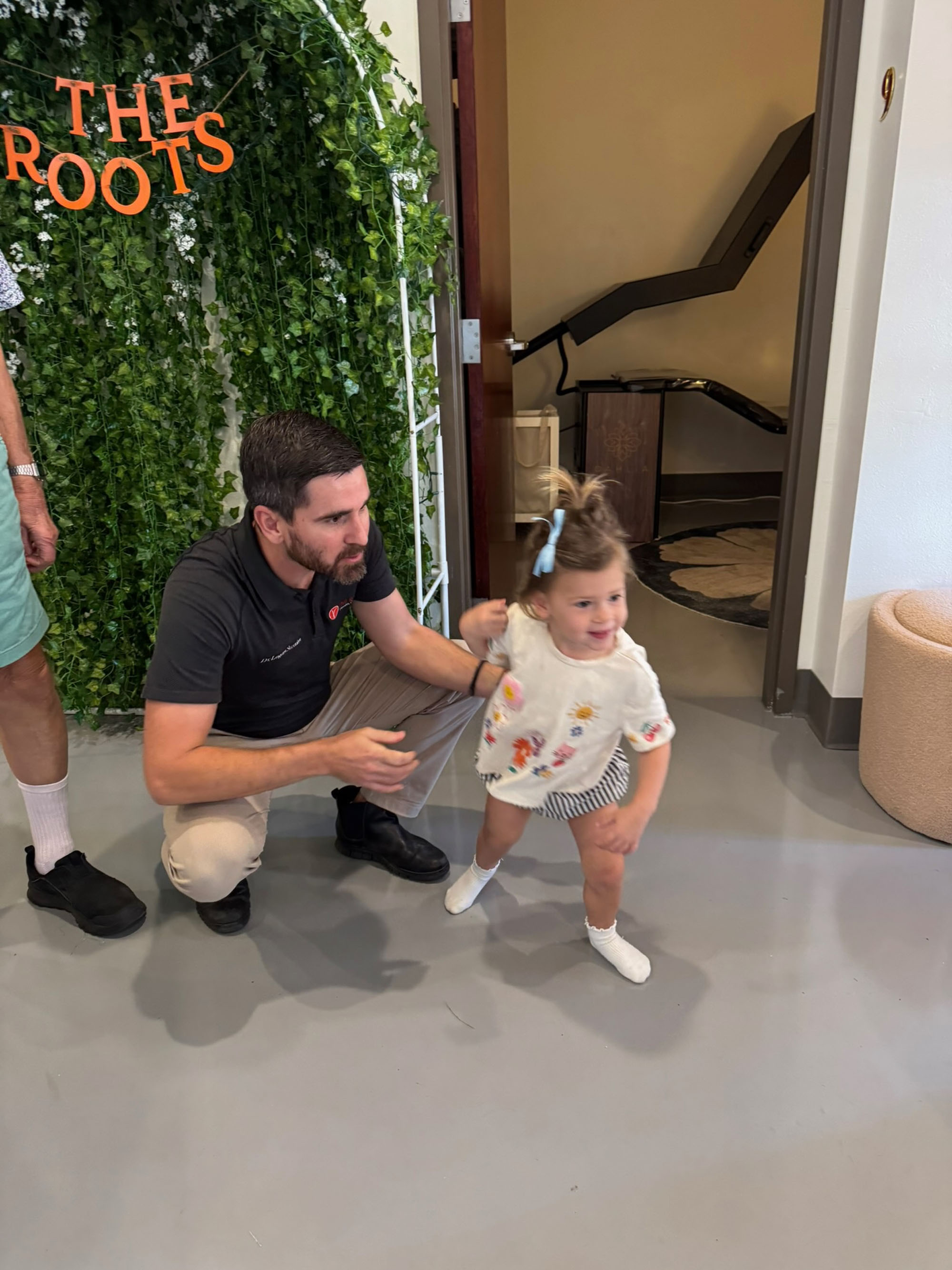
Family day — a Roots tradition.
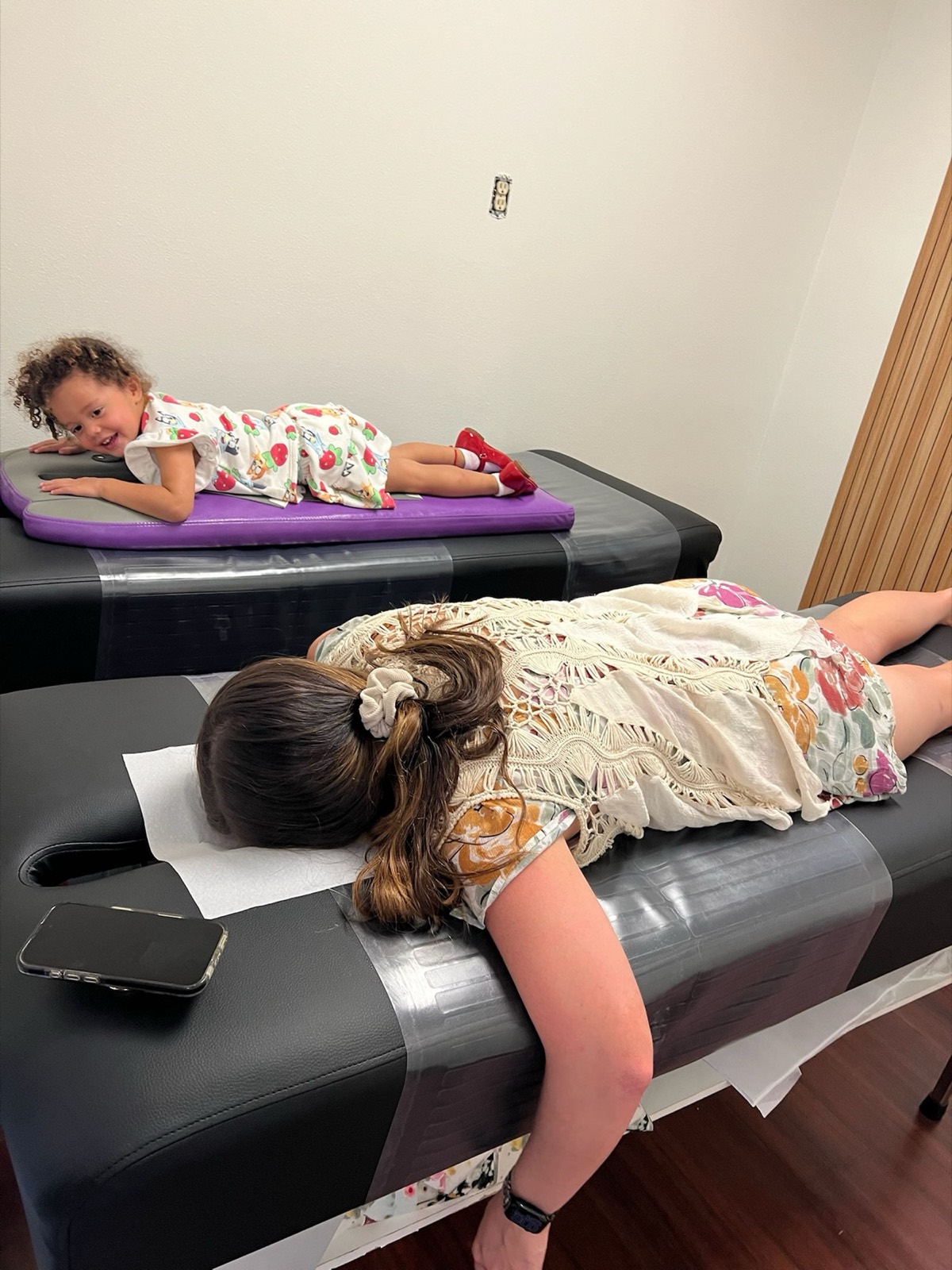
Families heal together.

Little Roots, littlest fans.
Keep Exploring
Meet our team
Care we offer
Services that support colic & excessive crying

Infant & Newborn Care
Specialized chiropractic care for newborns and infants, using pressure as light as testing the ripeness of a tomato.
Learn more →
Pediatric Wellness
Neurologically-focused chiropractic care for kids and teens — supporting healthy development, immune function, sleep, focus, and behavior.
Learn more →

Read more
Articles for parents
Colic and the Nervous System: Why Your Baby Can't Stop Crying
Colic is often a nervous system problem, not a stomach problem. Learn why babies get colic, what's really happening, and how gentle pediatric chiropractic care helps.
Baby Won't Sleep? The Nervous System Connection Most Parents Never Hear About
When your baby won't sleep no matter what you try, the problem may not be environmental. Learn how a dysregulated nervous system keeps infants stuck in alert mode — and what gentle pediatric chiropractic care can do to help.
Infant Reflux and Spit-Up: What's Normal, What's Not
Most infant reflux is normal. Here's how to tell a happy spitter from reflux that's distressing your baby, plus gentle tips and red flags.
Common questions
Frequently asked questions

Our Doctors
A pediatric-trained team behind every visit
Little Roots is led by co-directors Dr. Logan Swaim, MS, DC and Dr. Laura Swaim, DC — both Webster Certified, Dr. Laura through the ICPA — alongside Dr. Grayson Fox, DC, who is PX-Certified with advanced training in chiropractic neurology and a dedicated pediatric focus. Carly Lovato, our office and lead case manager, and Yohanna Miller, our patient care coordinator, complete the team your family sees at every visit.
Meet the whole team →Want a gentle look at
what's going on?
Start with a complimentary consultation. We listen first, evaluate gently, and recommend only if there's something we can help with.