

Symptom
ADD / ADHD
Focus, attention, and behavioral patterns
ADD/ADHD is a complex condition that warrants medical evaluation and ongoing care. Some families notice that nervous system support — through gentle pediatric chiropractic — helps their child's overall regulation. Always alongside primary medical care, never as a replacement.
By Dr. Logan Swaim · Last updated August 12, 2026
Get help with ADD / ADHD
Three quick questions — we'll call you within 24 business hours.
Understanding ADD / ADHD
What it is & why it shows up
ADD and ADHD describe patterns around focus, attention, impulse control, and activity level that can affect how a child or adult moves through daily life. These are complex conditions, and understanding them well calls for a proper medical evaluation and ongoing care from qualified providers. One piece of the larger puzzle is the nervous system, the network that helps the brain and body stay regulated, manage stimulation, and shift between calm and alert states. When we talk about nervous-system support, we mean helping the body find better balance overall, not addressing attention or behavior as something to be corrected.
Every person with these patterns is different. Some find that sleep, stress, sensory load, and overall regulation shape how their days go, with harder stretches and easier ones. Because the nervous system sits at the center of how the body handles stimulation and recovery, some families choose to explore gentle, hands-on care as one supportive layer alongside the medical and behavioral care their child is already receiving. The goal is whole-body regulation and comfort, and we are careful never to frame this as a way to change focus, grades, or behavior.
Our approach begins with a thorough evaluation to understand how the nervous system is functioning. From there, any care we provide is gentle, personalized, and designed to support overall regulation, always working alongside your child's pediatrician, physician, therapists, and any specialists guiding their care, and never in place of that primary medical care. ADD and ADHD deserve a full medical team, and we see ourselves as one supportive part of it. We will always encourage you to keep your prescribing and treating providers at the center of the plan.
When parents reach out
Common contexts we see this in
- A child already under the care of a pediatrician or specialist
- Families seeking added nervous-system support alongside medical care
- Days that feel harder with poor sleep or high sensory load
- Stretches of better and harder regulation that come and go
Important
When to seek medical care first
ADD and ADHD should always be evaluated and managed by a qualified medical provider, so a pediatrician, family physician, or mental-health specialist should lead the plan. Reach out to your child's doctor promptly if you notice sudden changes in mood or behavior, talk of self-harm or hopelessness, new or worsening difficulty functioning at school or home, or any concerning side effects from medication, and never start or stop a prescribed medication without your prescriber's guidance. If there is any thought of self-harm or an immediate safety concern, contact your doctor, call 988, or seek emergency help right away. This page is educational and is not medical advice or a diagnosis.
Inside Little Roots
What gentle care looks like.
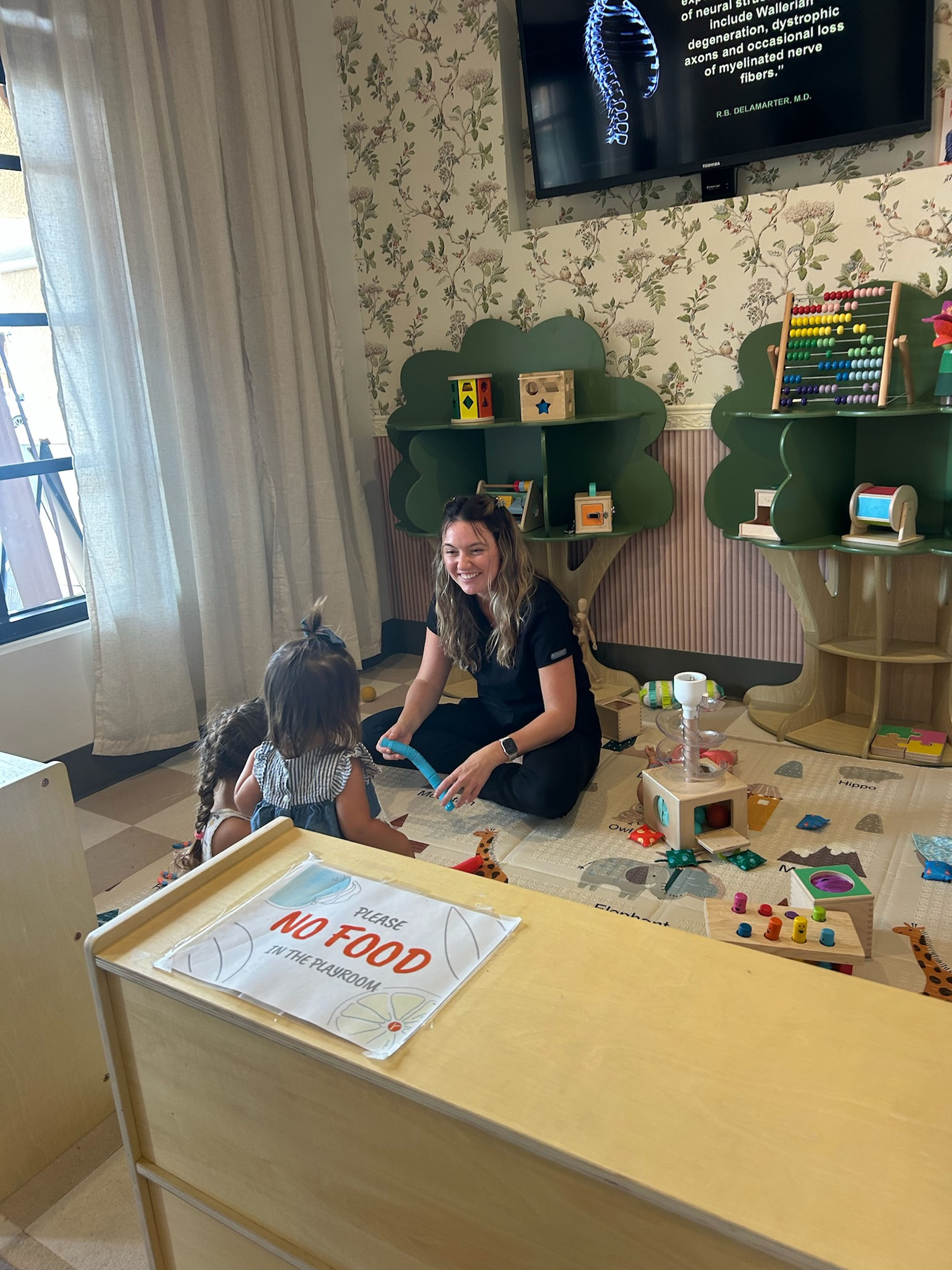
Carly — our favorite kid whisperer.
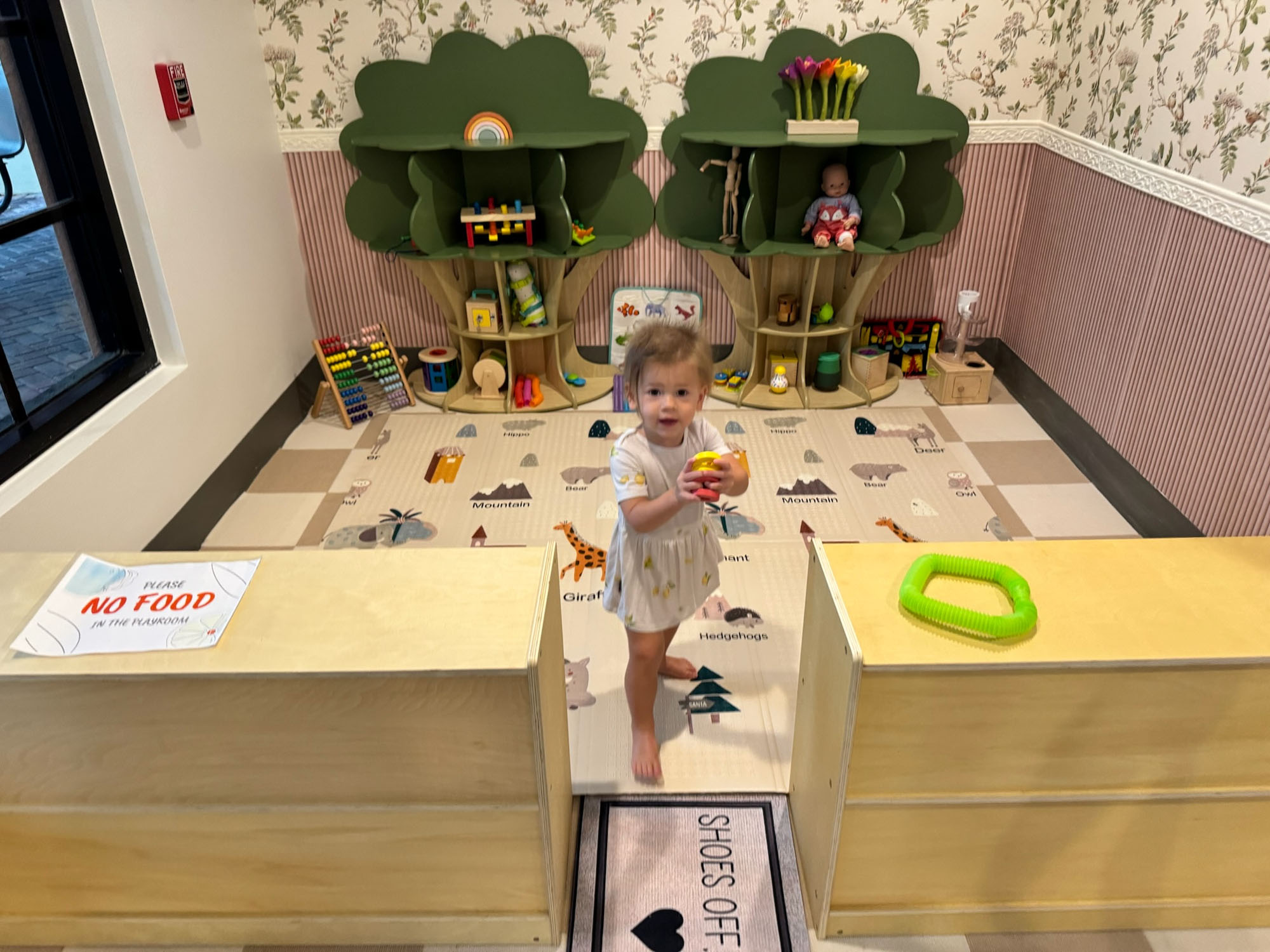
The treehouse — built for imagination.
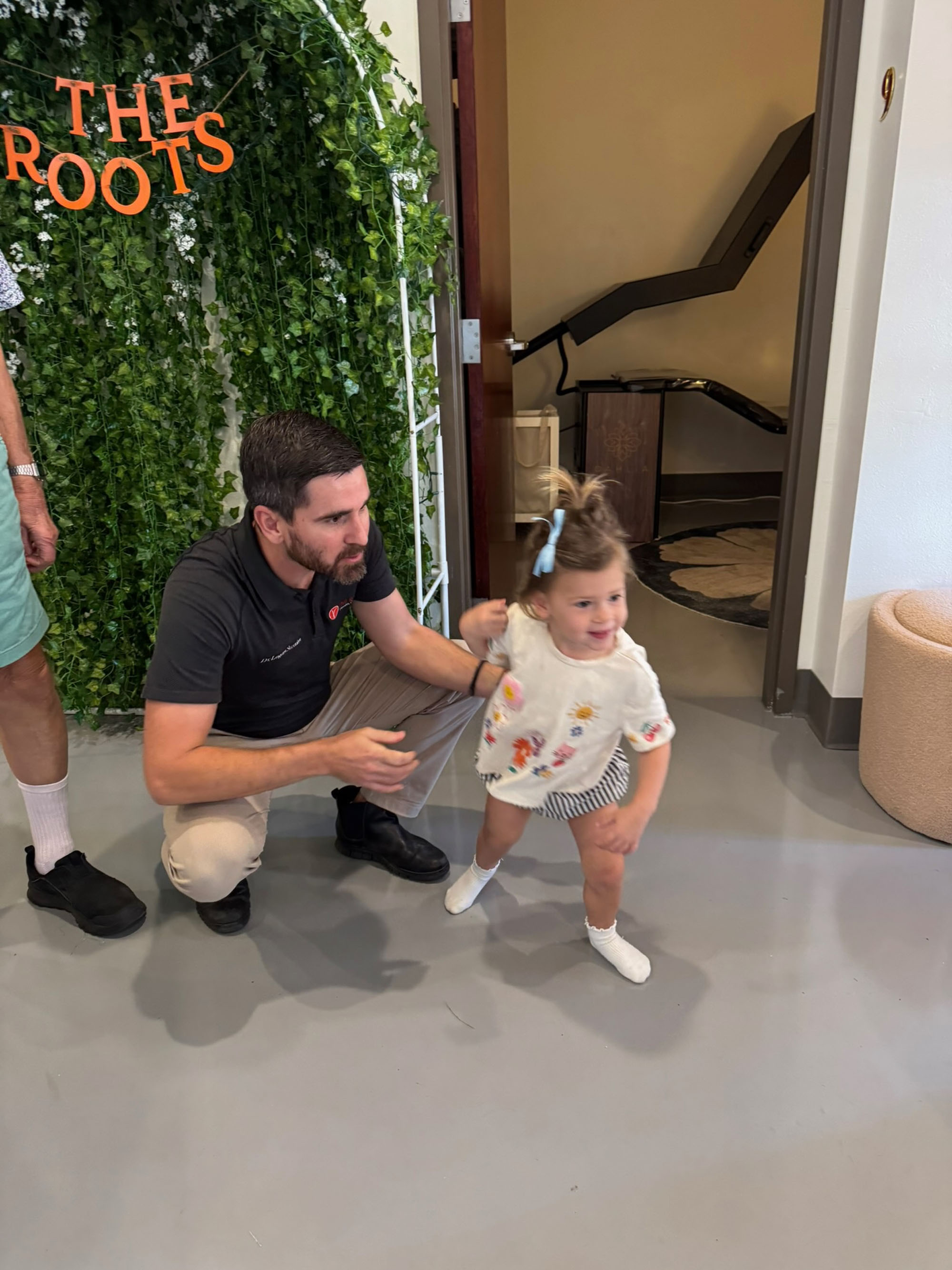
Family day — a Roots tradition.
Keep Exploring
Meet our team
Read more
Articles for parents
ADHD and Chiropractic Care: How Nervous System Support Helps Kids Focus
Why more Lakewood Ranch families are adding nervous system support to their child's ADHD plan — what a neurological evaluation reveals and how it fits alongside OT, speech, and your pediatrician.
Kids Backpack Weight: How Heavy Should Your Child's Backpack Be?
The AAP says a child's backpack should weigh no more than 10-15% of their body weight. Most school bags exceed that. Here is what overloaded backpacks do to a growing spine and what parents can do about it.
Common questions
Frequently asked questions
Our Doctors
A pediatric-trained team behind every visit
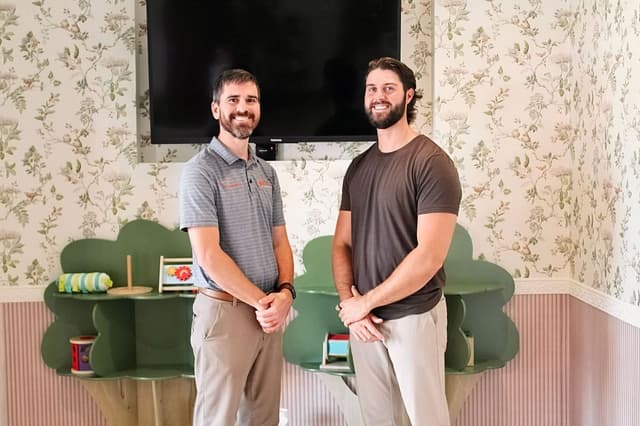
Little Roots is led by co-directors Dr. Logan Swaim, MS, DC and Dr. Laura Swaim, DC — both Webster Certified, Dr. Laura through the ICPA — alongside Dr. Grayson Fox, DC, who is PX-Certified with advanced training in chiropractic neurology and a dedicated pediatric focus. Carly Lovato, our office and lead case manager, and Yohanna Miller, our patient care coordinator, complete the team your family sees at every visit.
Meet the whole team →Want a gentle look at
what's going on?
Start with a complimentary consultation. We listen first, evaluate gently, and recommend only if there's something we can help with.