

Common Issues
What We Actually Help With
We hear you. These are the struggles new parents bring us most often, and the nervous-system thread that runs through them all.
If you've been rocking a crying baby at 3am, Googling one symptom and ending up with twelve, you're not alone — and we're not going to tell you a gentle adjustment "fixes" any of these. What we will tell you, honestly, is that each of these issues has a nervous-system and musculoskeletal thread, and we can often help that thread settle. Whether it's colic, reflux, a head that tilts to one side (torticollis), or trouble latching, our gentle techniques meet your baby exactly where they are.
The Thread That Connects Them
What We See Most

Colic & Inconsolable Crying
Persistent crying in an otherwise healthy baby often has a nervous-system component. Birth stress can leave the autonomic nervous system stuck in a fight-or-flight state — showing up as crying spells, trapped gas, and an inability to settle. Gentle upper-cervical and pelvic adjustments help the system shift back toward calm, and many families see their baby settle within a handful of visits.
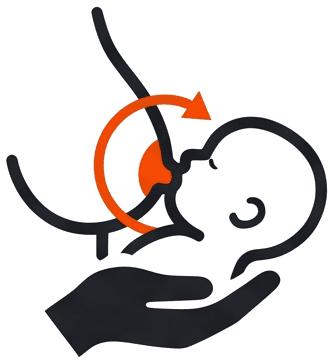
Latching & Breastfeeding Difficulties
Deep, comfortable nursing depends on even jaw opening, free tongue movement, and a neck that can rotate symmetrically. When a baby prefers one side, breaks suction quickly, or arches off the breast, we often find tension at the upper cervical spine or the TMJ. Our approach works beautifully alongside IBCLC lactation support.

Reflux & Spit-Up
The nerves that control the lower esophageal sphincter exit from the upper thoracic spine. When that area is tight, the sphincter can stay open more than it should. We don't replace GI care — but we frequently see fewer spit-ups, less arching, and happier post-feeding windows after gentle thoracic and upper-cervical work.
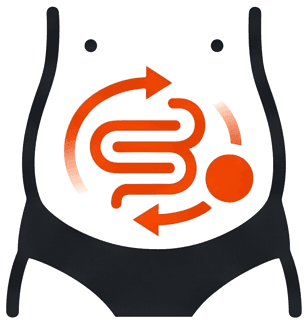
Constipation & Digestive Struggles
The vagus nerve and sacral nerve supply drive motility and digestion. Restrictions in the upper neck or pelvis can dial those signals down. Gentle work in those regions frequently shifts things — parents tell us the first measurable change is often a fuller, softer diaper within days.

Sleep Difficulties
A nervous system that can't downshift struggles to sleep. Many families report sleep is the very first thing that changes after starting care — longer stretches, easier wind-downs, fewer 2am wake-ups. We can't promise miracles, but sleep shifts are one of the most common wins we see.

Torticollis (Head Tilt)
When a baby's head consistently turns or tilts to one side, there's usually a tight muscle (often the SCM) plus restricted motion in the upper cervical spine. We work gently on the spine side while your pediatrician or physical therapist addresses the muscular side — the combination is powerful.

Plagiocephaly (Flat Head Spots)
Flat spots often trace back to a head-turn preference, which often traces back to the upper cervical spine. Helping your baby turn symmetrically — through gentle adjustments plus tummy time and position variety — gives the skull room to round out. Severe cases still benefit from helmet therapy; we work alongside it, not against it.
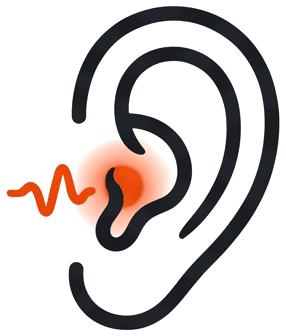
Ear Infection Patterns
Recurrent ear infections often reflect drainage issues through the Eustachian tubes, which are supported by muscles that attach near the upper cervical spine. We're not treating the infection — but we are helping the area drain better, which is why so many families see fewer rounds of antibiotics after consistent care.

General Fussiness
Sometimes there's no single symptom — just a baby who feels unsettled. A tight, over-stimulated nervous system can be behind that. Many families bring a fussy baby in not knowing what else to try, and walk out with a calmer little one over the following days and weeks.
Important
We Are Not a Replacement for Your Pediatrician
Gentle chiropractic is one piece of a healthy, supported childhood — not a replacement for pediatric medicine. Your pediatrician handles well checks, vaccines, infection management, prescriptions, urgent concerns, and everything else that falls inside their scope.
We work alongside your pediatric team, your lactation consultant, and your pediatric PT. Many of our best outcomes come from families who have a full team, with everyone playing their position.
If your baby has a fever, unusual lethargy, isn't feeding, or anything that feels urgent, please call your pediatrician first. We'll still be here when things are calm enough for a gentle check.
Up Next
Wondering What a Visit Looks Like?
From the moment you walk in to the ride home — here's exactly what happens during your baby's first visit at Little Roots.
Inside the infant suite
Where tiny nervous systems get relief.
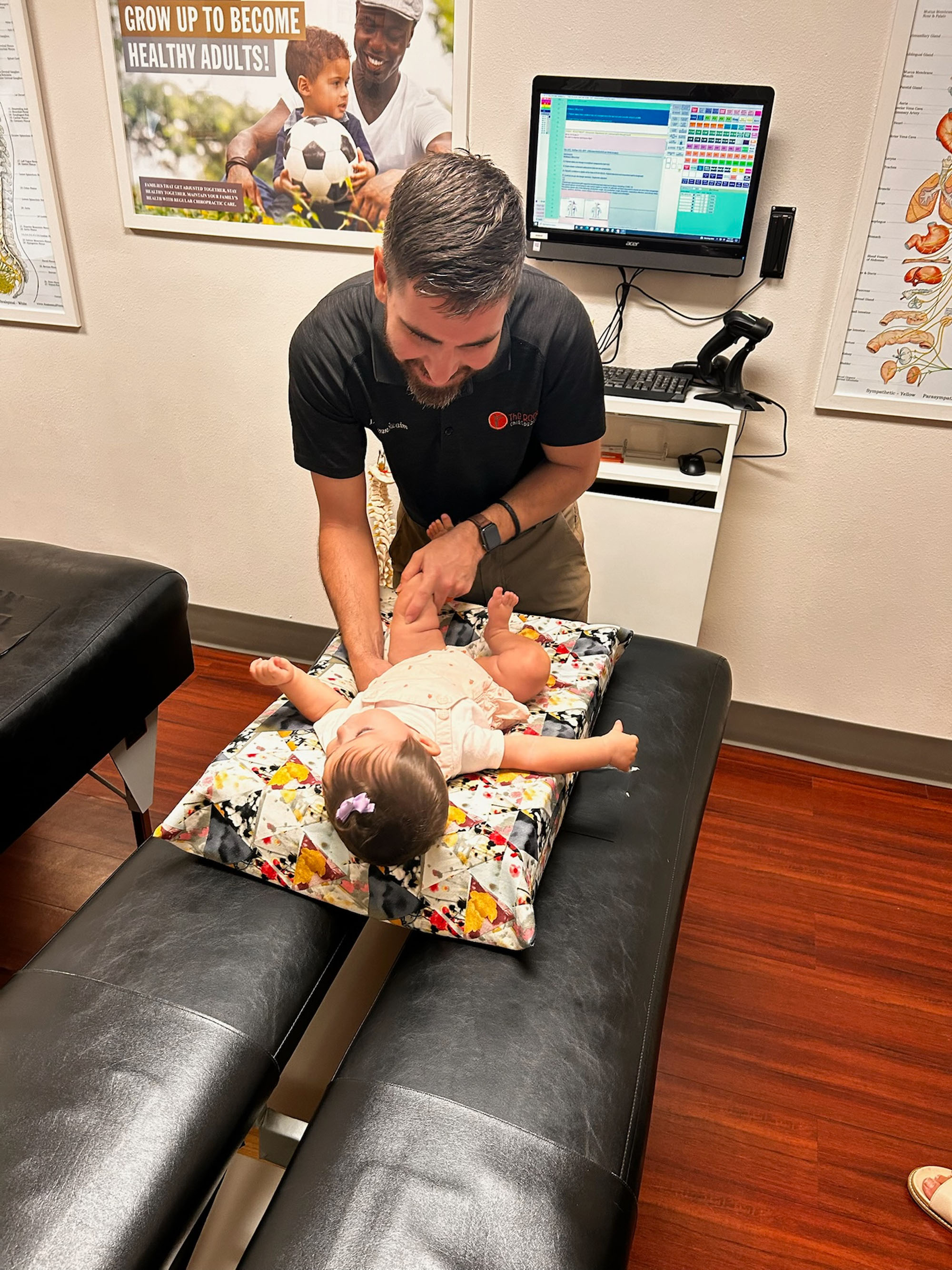
Gentle from day one.
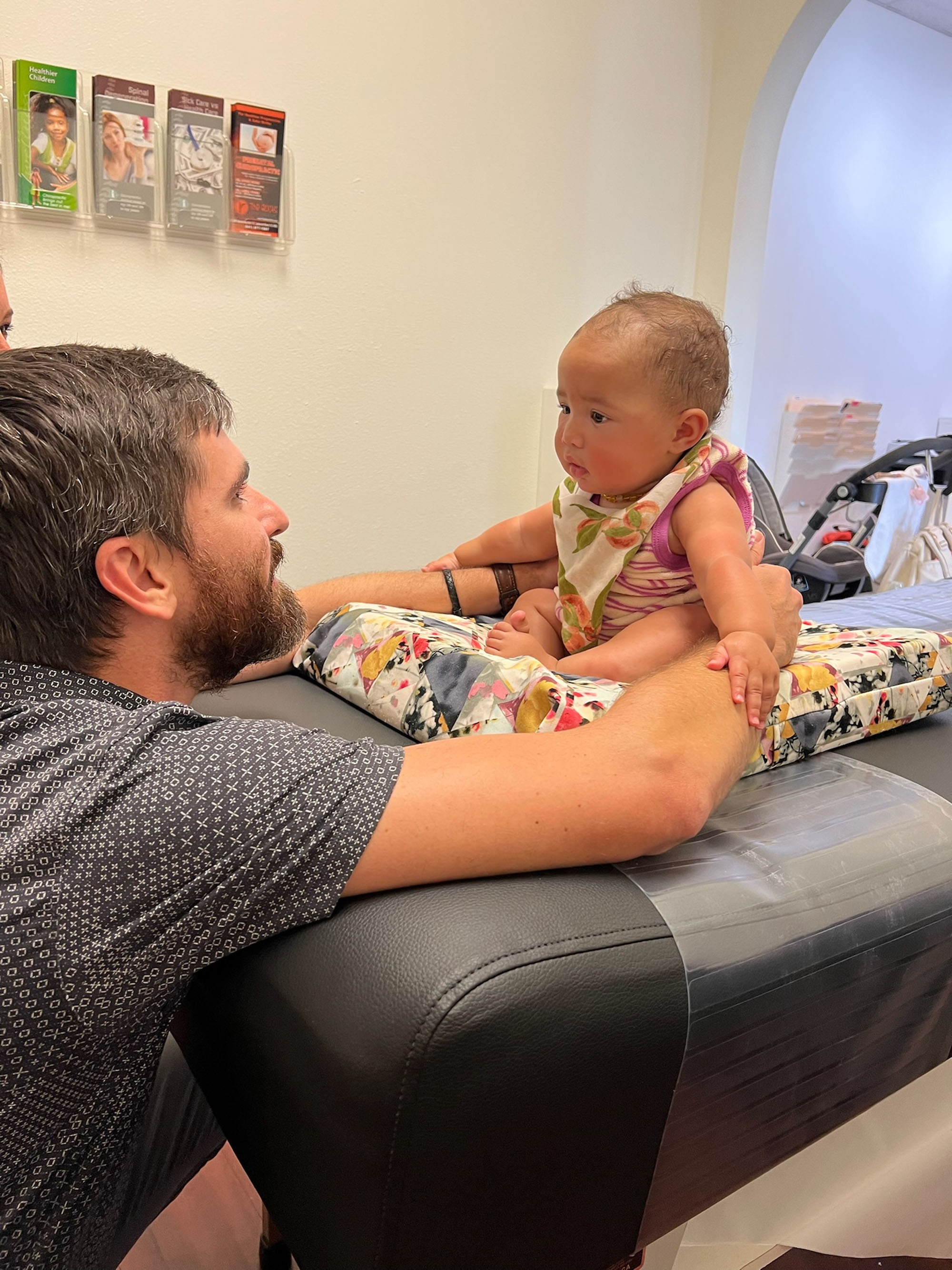
Connection before care.
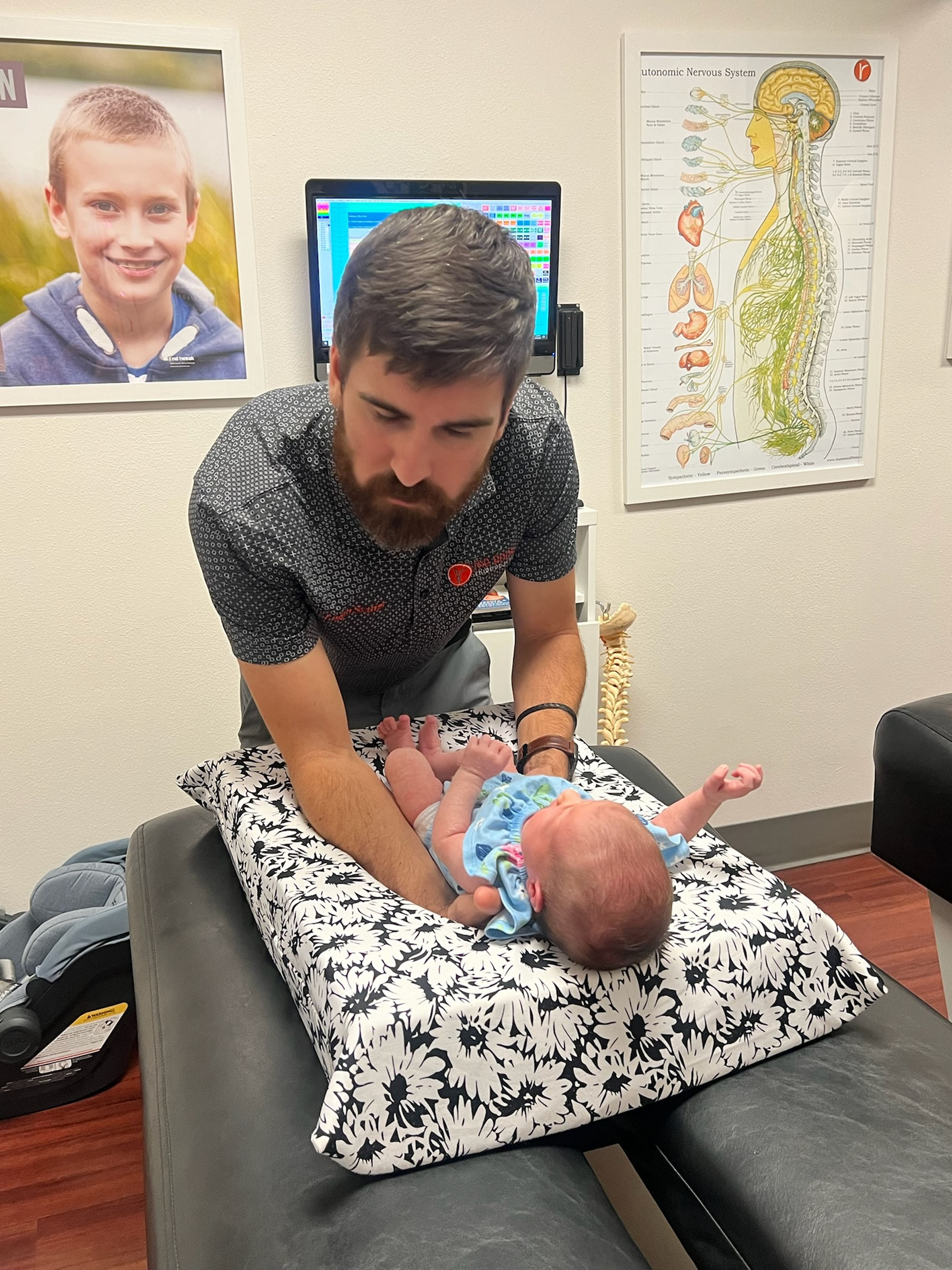
Nervous-system first. Always.
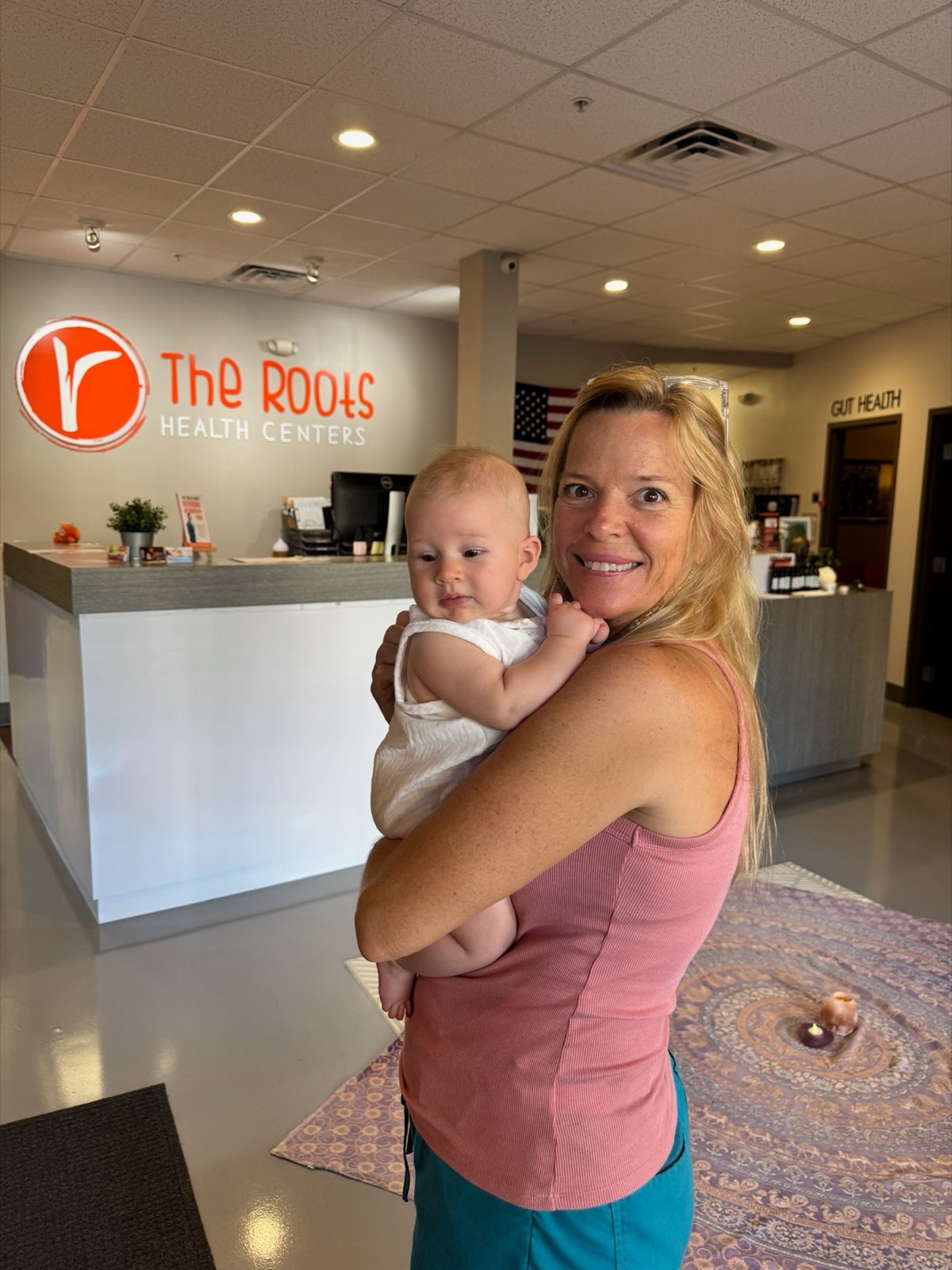
When mom is supported, the whole family thrives.
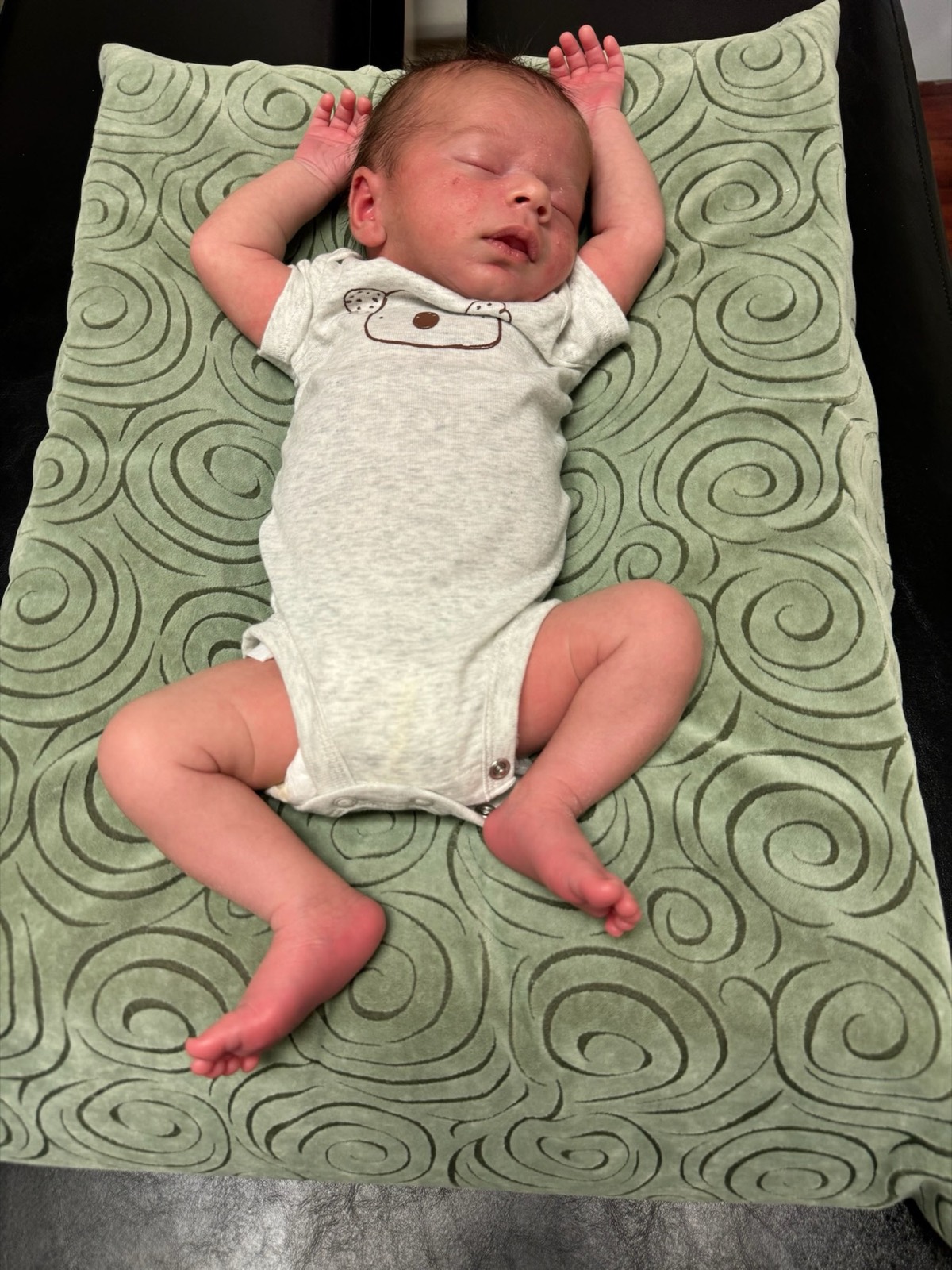
Most newborns sleep right through it.
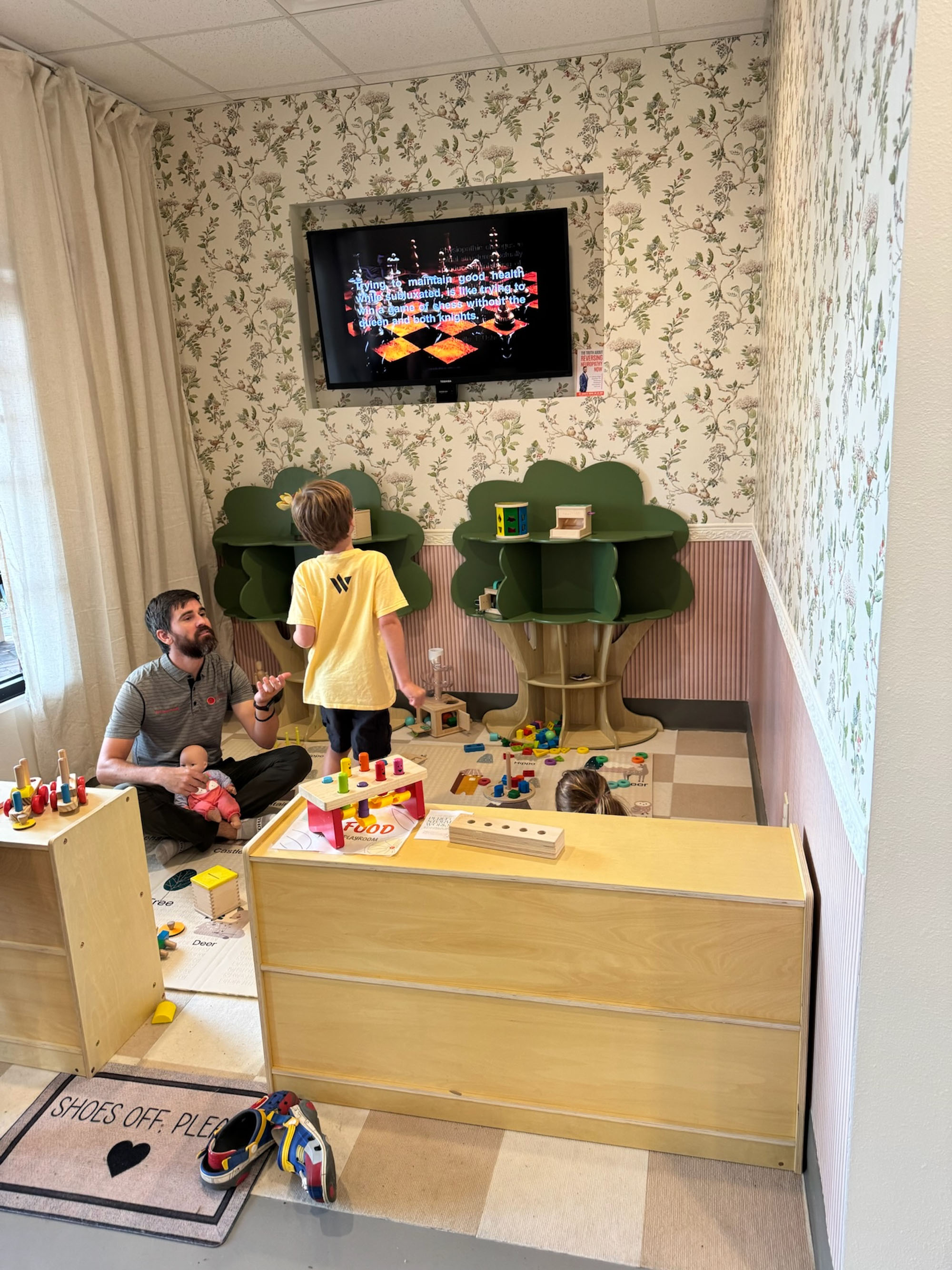
Play-based, never pushy.
Keep Exploring
What to expect
Let's Meet Your Little One.
Book a complimentary consultation — fifteen gentle minutes to see if pediatric chiropractic fits your family.