

Symptom
Menstrual Cramps
Painful or irregular cycles
Painful menstrual cramps, irregular cycles, or related discomfort. The lower thoracic and lumbo-sacral regions house nerves that influence reproductive organ function. Persistent or severe issues warrant gynecological evaluation.
By Dr. Logan Swaim · Last updated August 12, 2026
Get help with Menstrual Cramps
Three quick questions — we'll call you within 24 business hours.
Understanding Menstrual Cramps
What it is & why it shows up
Menstrual cramps are the aching or cramping pain many people feel in the lower abdomen, lower back, or hips around their period, and for some they come with irregular or unpredictable cycles. The pain can range from mild to intense and may travel into the back and thighs. Nerves from the lower-thoracic and lumbo-sacral spine help supply the reproductive organs and play a part in how those organs function, so this region of the nervous system is part of the broader picture we look at when someone is dealing with cramps or cycle changes.
Cramps and cycle patterns differ widely from person to person. Stress, sleep, hormonal shifts, and physical tension through the low back and pelvis can all be part of the experience, and a nervous system stuck in a heightened stress state can ride alongside the discomfort for some people. These are patterns commonly seen, not the cause of menstrual pain, and they are part of what we pay attention to when we look at how well the nervous system is regulating function in the lower body.
Persistent or severe menstrual pain, very heavy bleeding, or cycles that change noticeably warrant a gynecological evaluation, because they can point to conditions a doctor needs to diagnose and manage. Your physician or gynecologist guides that care, and it comes first. Our role is complementary support for nervous-system regulation alongside that care, never a replacement for it. We begin with a thorough neurological evaluation to understand how your nervous system is functioning, and we are happy to coordinate with your medical team so your care stays connected.
When parents reach out
Common contexts we see this in
- Cramping pain in the lower abdomen, back, or hips around your period
- Irregular or unpredictable cycles
- Low-back and pelvic tension alongside cramps
- A nervous system that feels stuck in a heightened stress state
Important
When to seek medical care first
Persistent or severe menstrual cramps and noticeable changes in your cycle warrant a gynecological evaluation, and our support is only ever complementary to that care. See your physician or gynecologist if cramps are severe enough to disrupt daily life, if pain medication is not helping, if bleeding is very heavy or lasts unusually long, or if you have pain between periods or during intercourse. New or worsening symptoms deserve a medical look. Your physician or gynecologist remains the person who diagnoses and manages your reproductive health.
Inside Little Roots
What gentle care looks like.
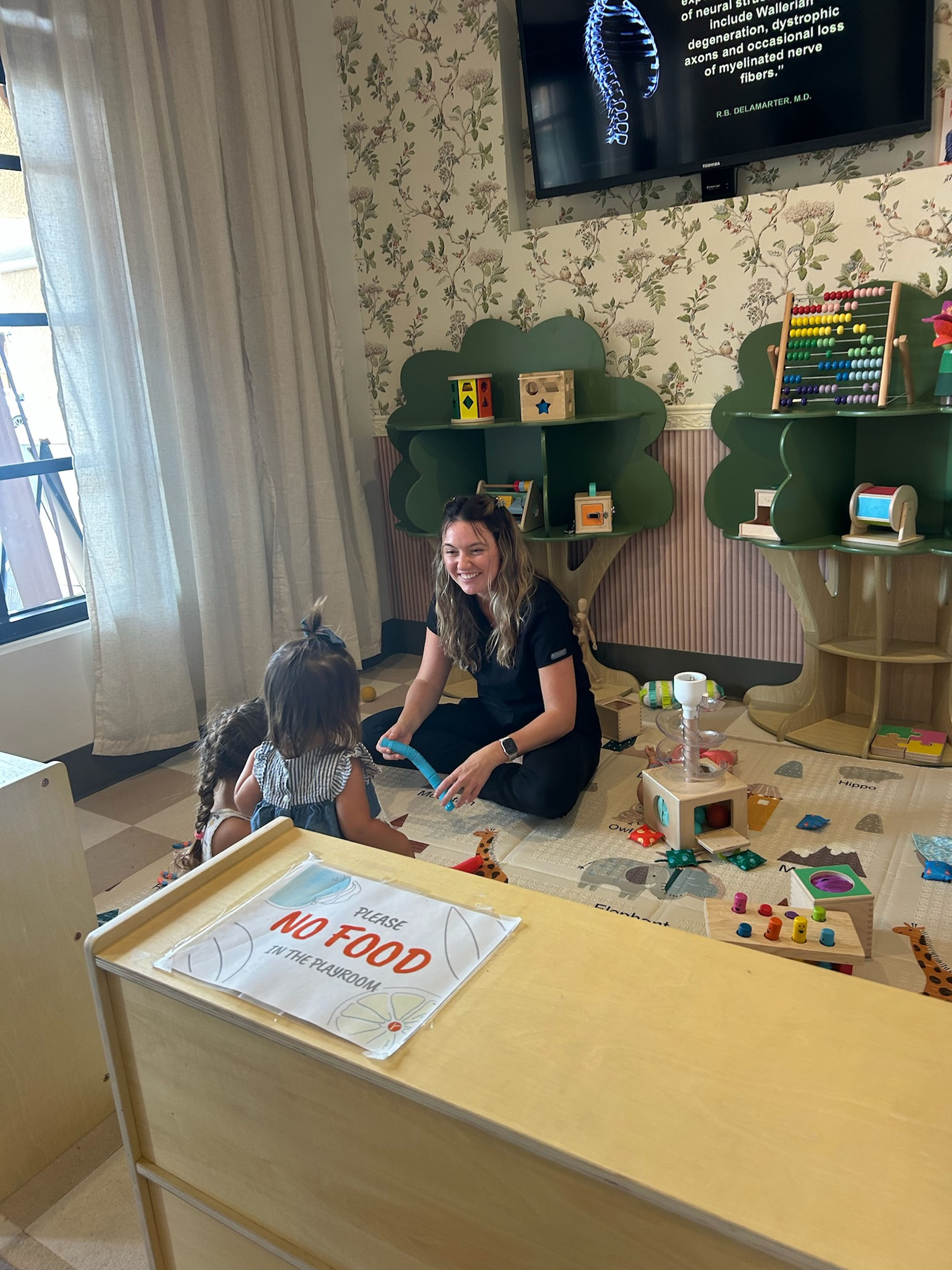
Carly — our favorite kid whisperer.

The treehouse — built for imagination.
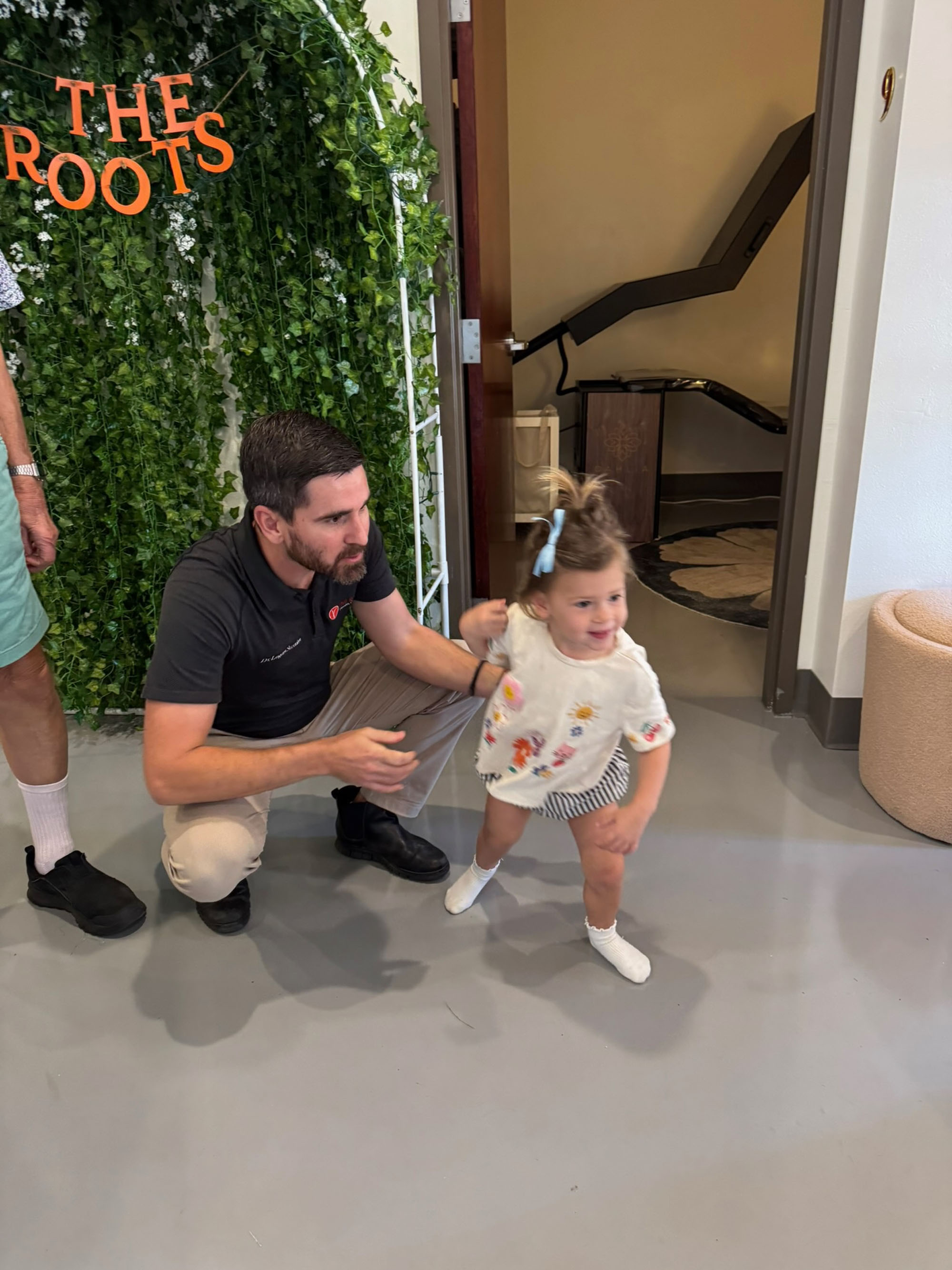
Family day — a Roots tradition.
Keep Exploring
Meet our team
Common questions
Frequently asked questions

Our Doctors
A pediatric-trained team behind every visit
Little Roots is led by co-directors Dr. Logan Swaim, MS, DC and Dr. Laura Swaim, DC — both Webster Certified, Dr. Laura through the ICPA — alongside Dr. Grayson Fox, DC, who is PX-Certified with advanced training in chiropractic neurology and a dedicated pediatric focus. Carly Lovato, our office and lead case manager, and Yohanna Miller, our patient care coordinator, complete the team your family sees at every visit.
Meet the whole team →Want a gentle look at
what's going on?
Start with a complimentary consultation. We listen first, evaluate gently, and recommend only if there's something we can help with.