

The Nervous System Approach
Why We Focus on the System, Not the Symptom
Symptoms are the surface. The nervous system is the soil. If we want your kid's body to behave differently, we have to start where the messages get sent.
The Conductor of Everything
One System Runs Them All
The nervous system is the only system in your child's body with direct connections to every other system. It controls immune response, digestion, sleep cycles, hormone release, focus and attention, mood, motor coordination, and how they recover from anything stressful — a stomach bug, a hard day, a growth spurt.
When the nervous system is regulated, everything downstream tends to regulate with it. When it's stuck in a chronic stress pattern, a lot of those downstream systems drift out of rhythm at once. That's often why a single kid can have three or four seemingly unrelated struggles at the same time — restless sleep, frequent ear infections, focus problems, and big emotional reactions. The common thread is usually upstream.
Treating the symptom one at a time is a valid short-term move. Supporting the system that controls all of them is a long-term investment in a more resilient kid.
Why Kids Especially
The Foundation Is Still Being Poured
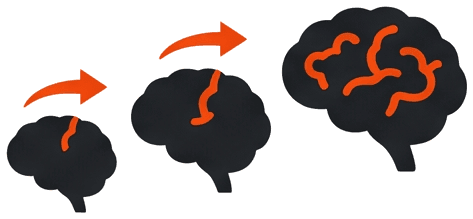
Adults come to chiropractors to undo decades of compensation. Kids come before the patterns set. That's the whole difference. Every week, your kid's brain is wiring up new connections, pruning old ones, and writing the defaults that will follow them for life.
If the nervous system is regulated during those formative years, the defaults that get written are calmer, better-tuned, more resilient. If it's chronically dysregulated, the defaults bake in at that higher-stress baseline and the body learns to operate from there.
This is why we're not trying to race to get rid of a symptom. We're trying to help their foundation settle into a better place while there's still maximum room to shape it.
How the Adjustment Works
Torque Release Technique — Built for Gentle Work
We use Torque Release Technique (TRT) — an instrument-based method specifically designed for precision and gentleness. No twisting, no cracking, no sudden movements. The instrument delivers a featherlight, targeted input that the nervous system reads and responds to.
For a child, the pressure is often described as a soft tap or a firm press. Most kids find it calming within seconds. That matters — a stressed child can't receive an adjustment the way a relaxed one can, so the technique itself is part of why the system settles.
TRT is the same technique our doctors use on infants. It's safe and specific enough for the smallest patients, which tells you everything about how we approach bigger kids and teens.
The Neurological Evaluation
Data You Can Actually See
A neurological evaluation is a non-invasive nervous system assessment that takes about ten minutes total. Three different sensors read how your child's nervous system is handling stress — one for muscle tone, one for autonomic regulation (heart rate variability), and one for thermal patterns along the spine.
There are no needles, no radiation, no tight or scary equipment. The probes touch the skin along the back and take readings. Most kids think it's fun. They see their own chart build on the screen in real time.
For us, the scan shows where stress is stored and how the nervous system is currently prioritizing its work. For you, it turns “my kid seems off” into visible data you can track. We re-scan at milestones so progress isn't something we're just telling you about — you can watch it happen.
Hear It Explained
From one of our doctors
“Dr. Grayson Fox — Why Pediatric Chiropractic”
The nervous system in practice
Where theory meets the tiny human in front of you.
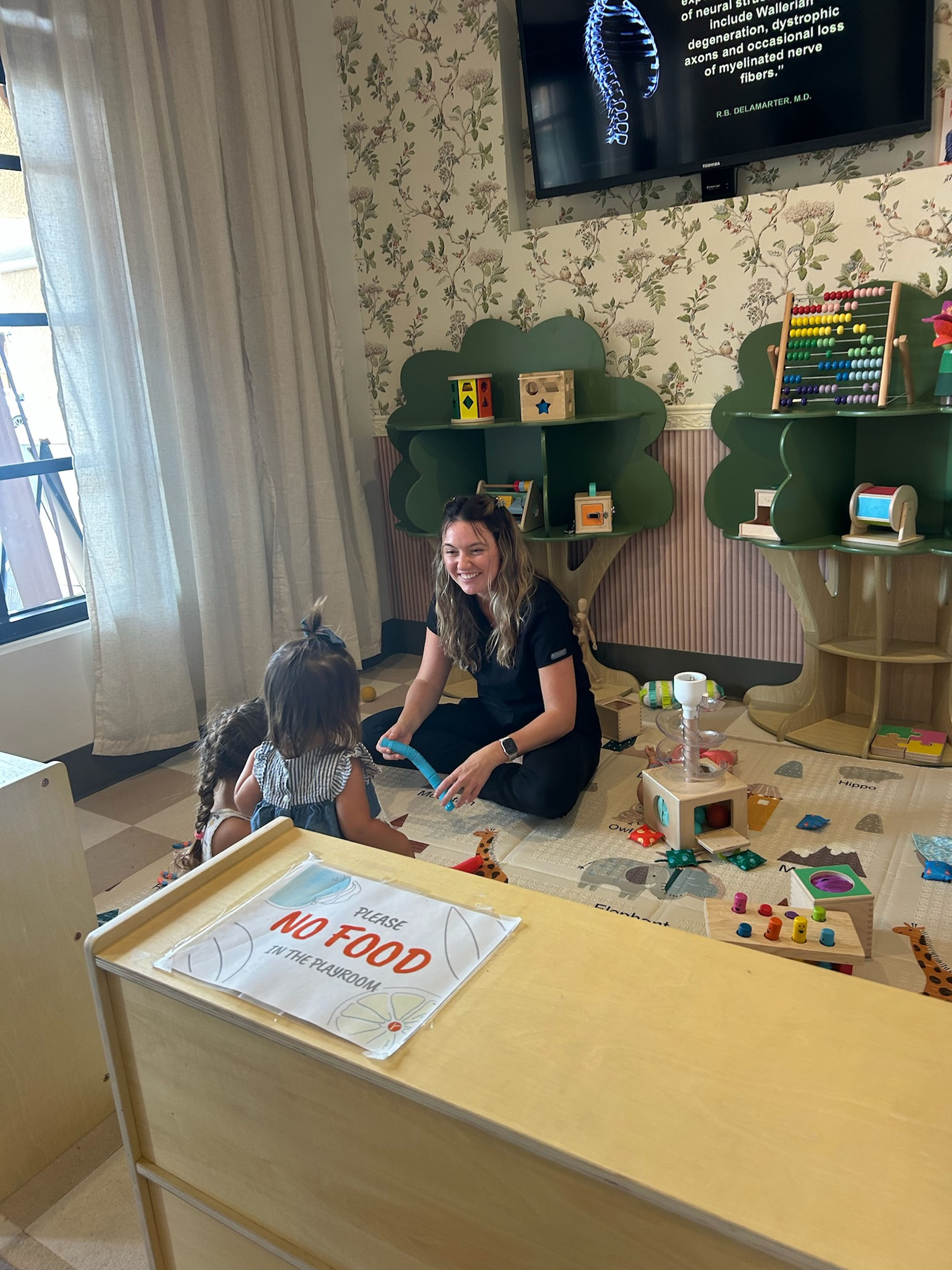
Carly — our favorite kid whisperer.
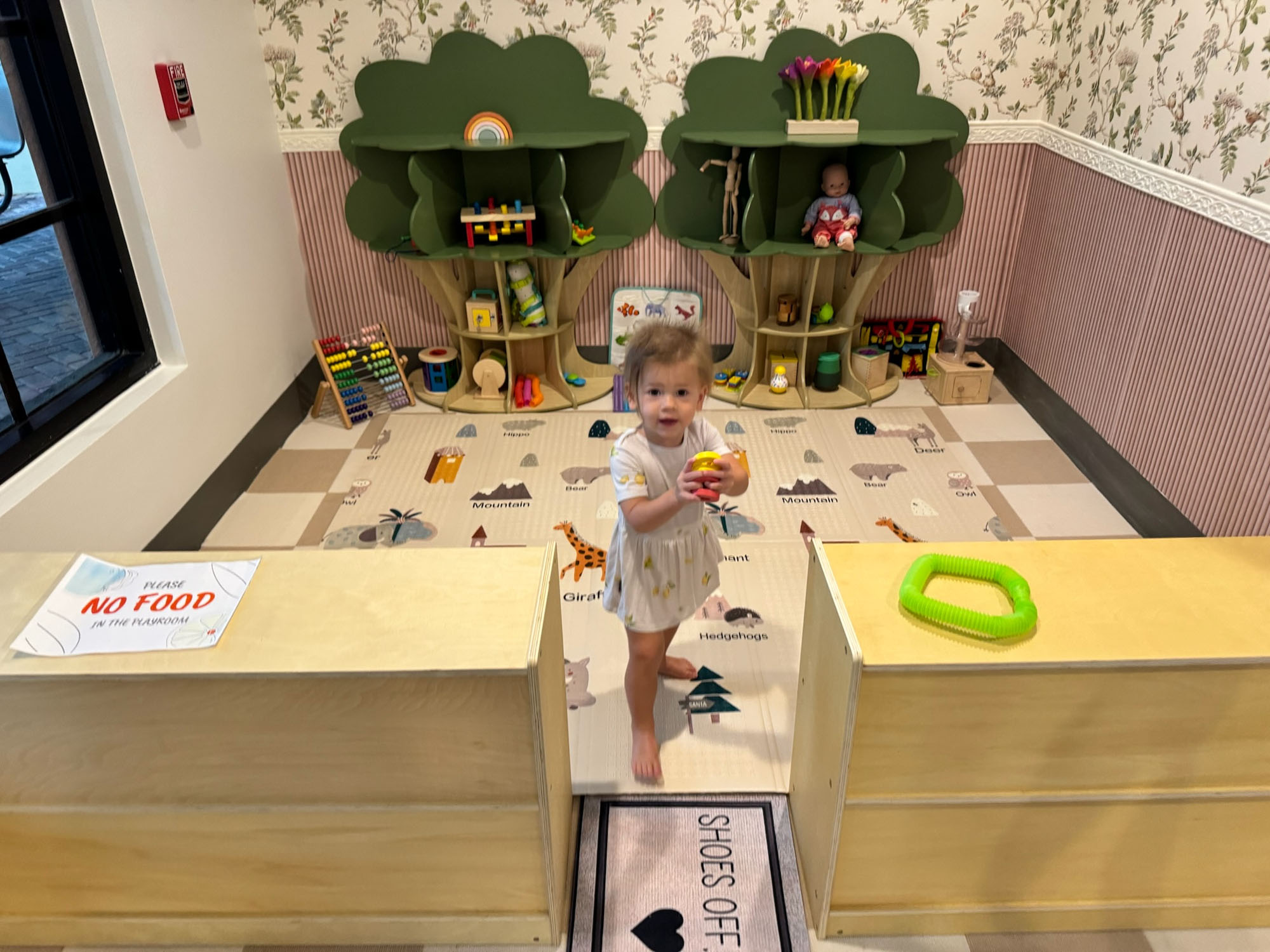
The treehouse — built for imagination.
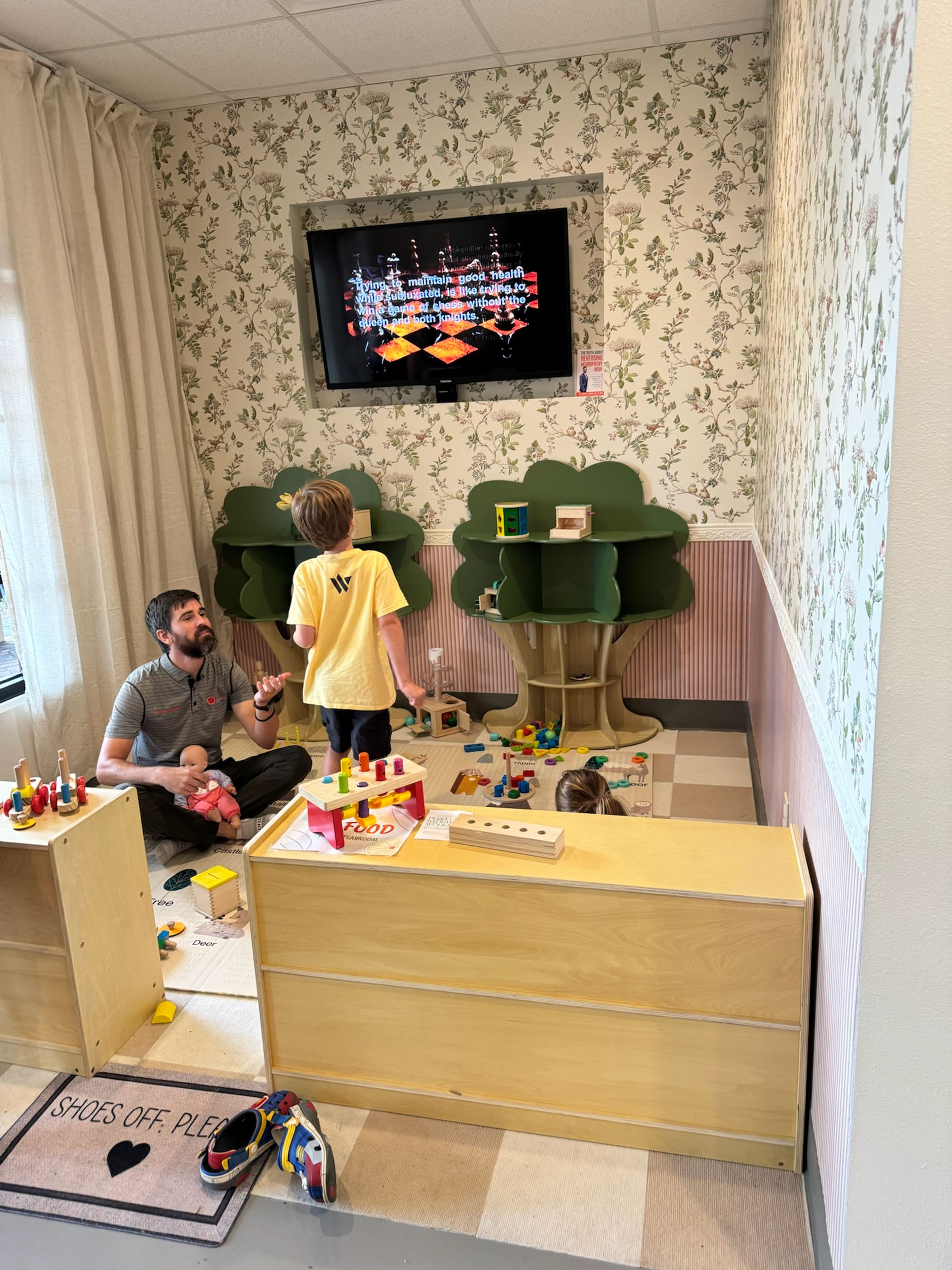
Patience is part of pediatric care.
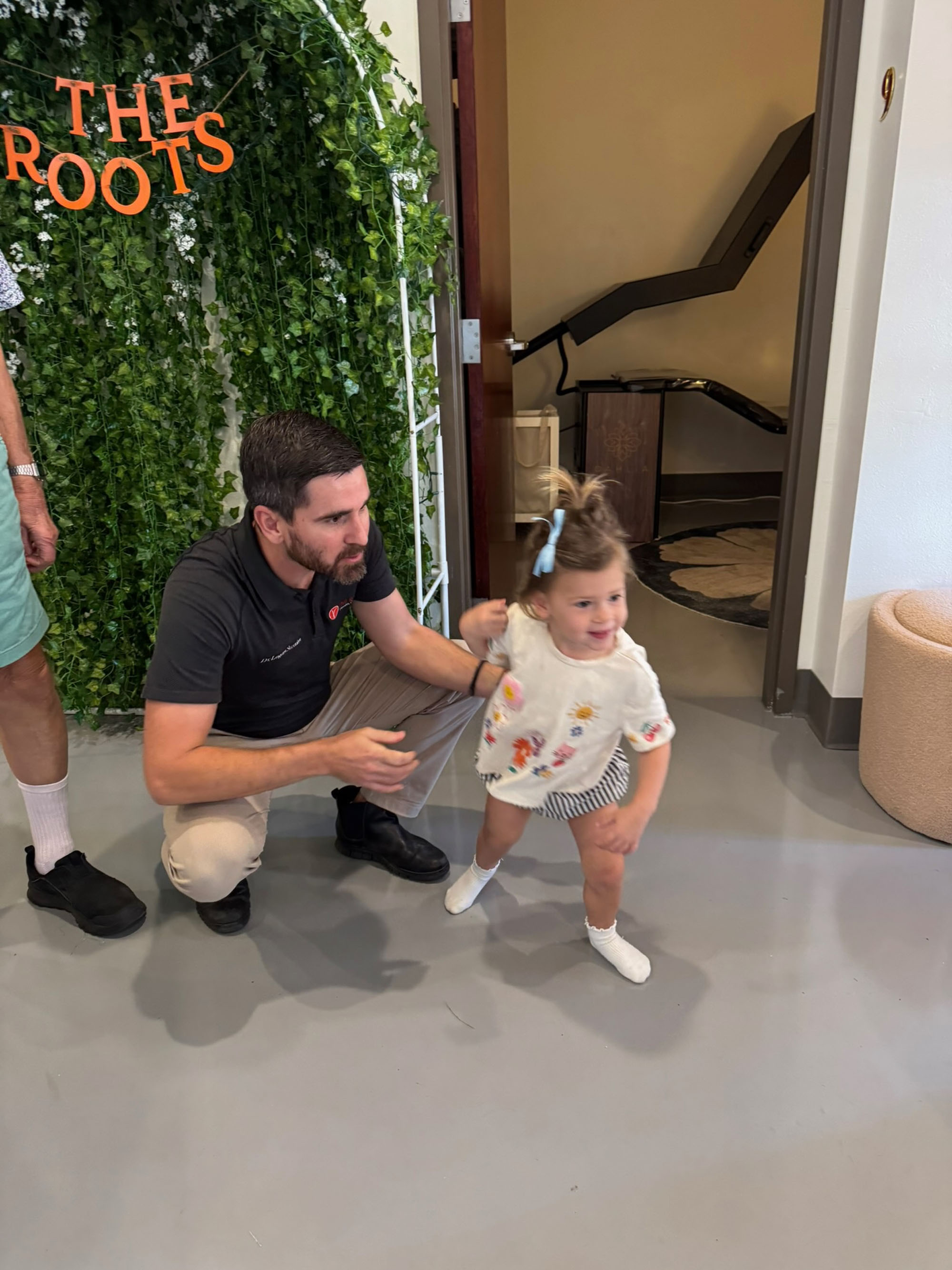
Family day — a Roots tradition.
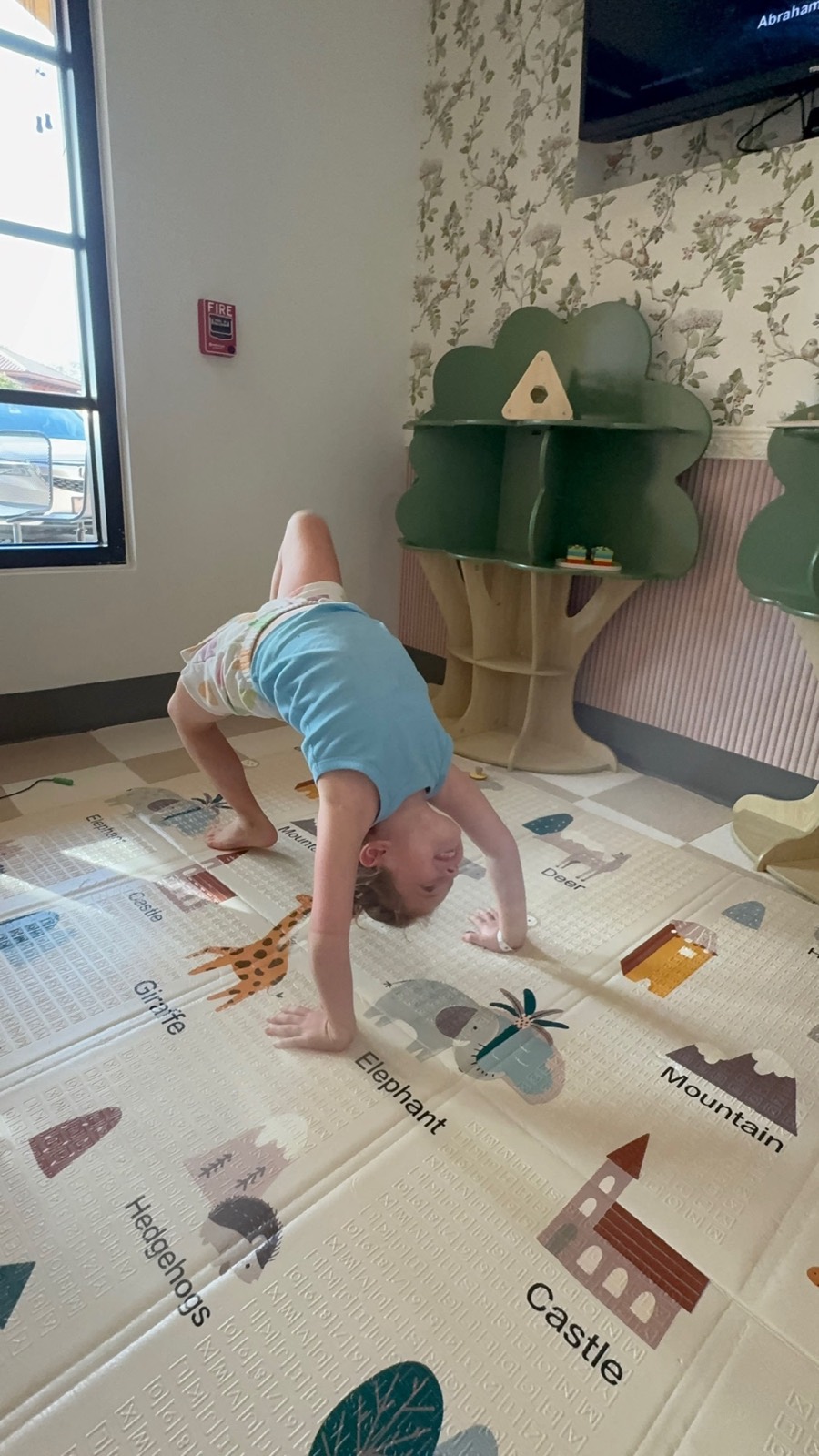
Strong, moving, thriving.
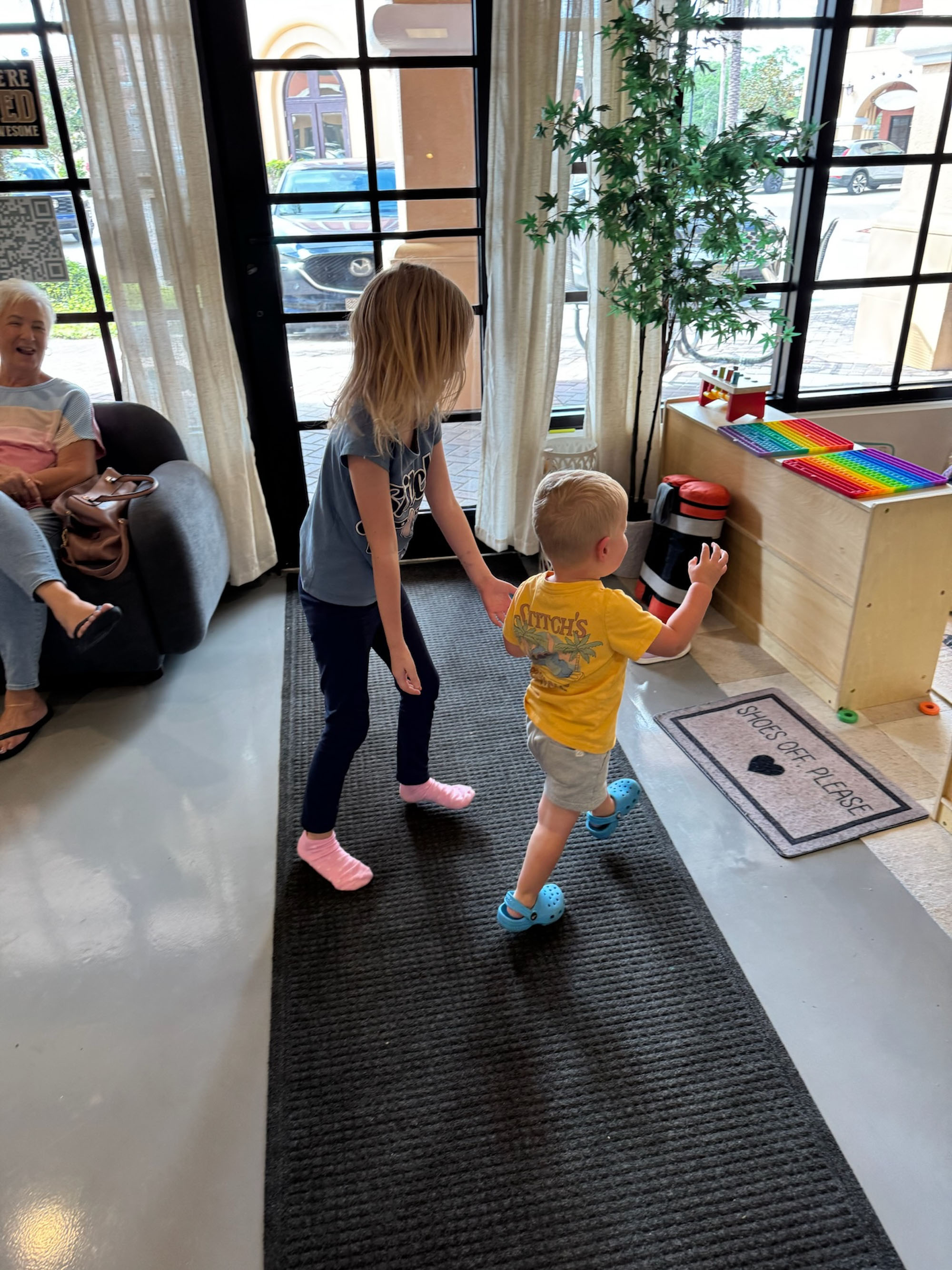
A lobby kids actually want to visit.
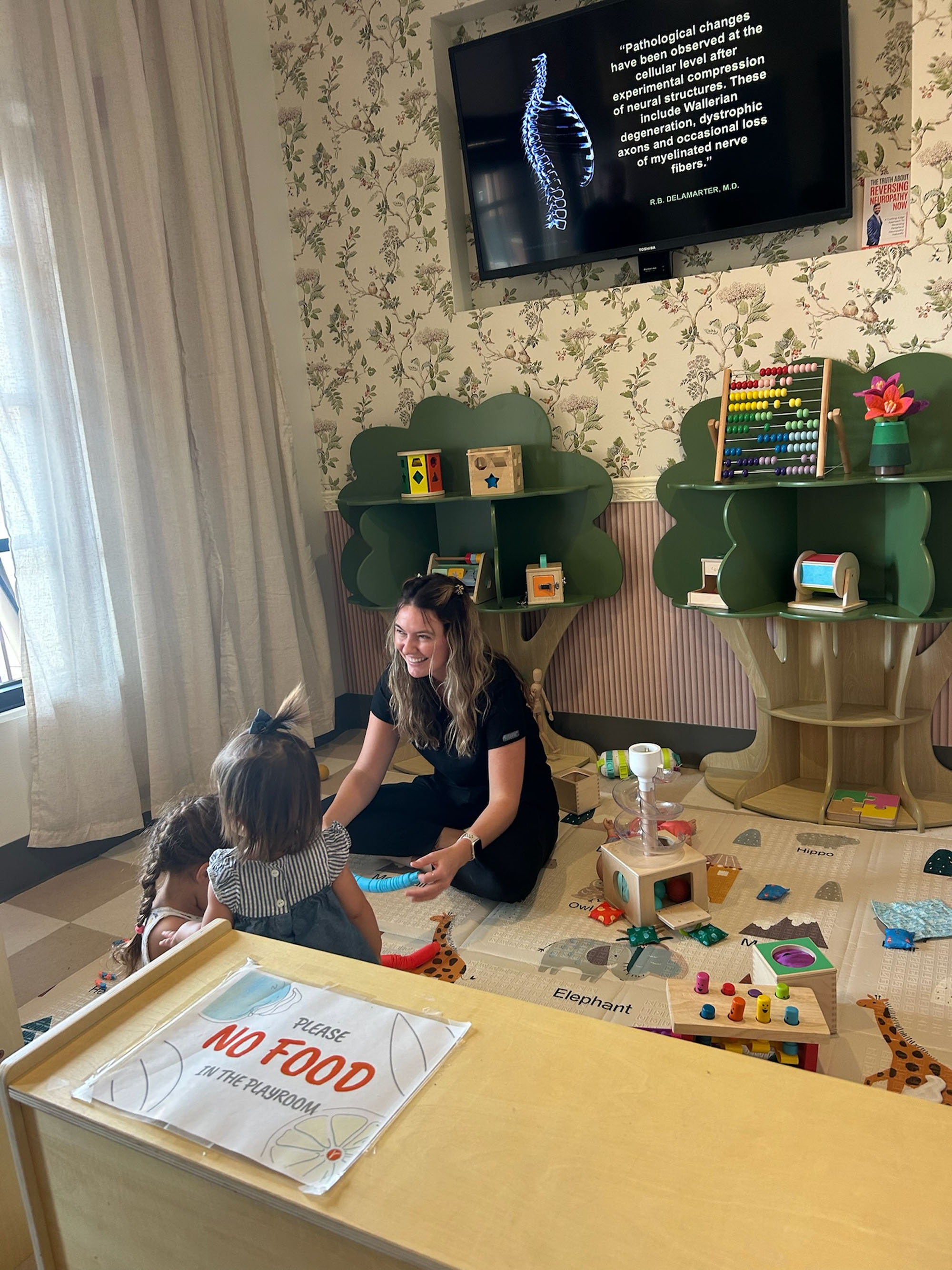
Carly — keeping the kids busy between visits.
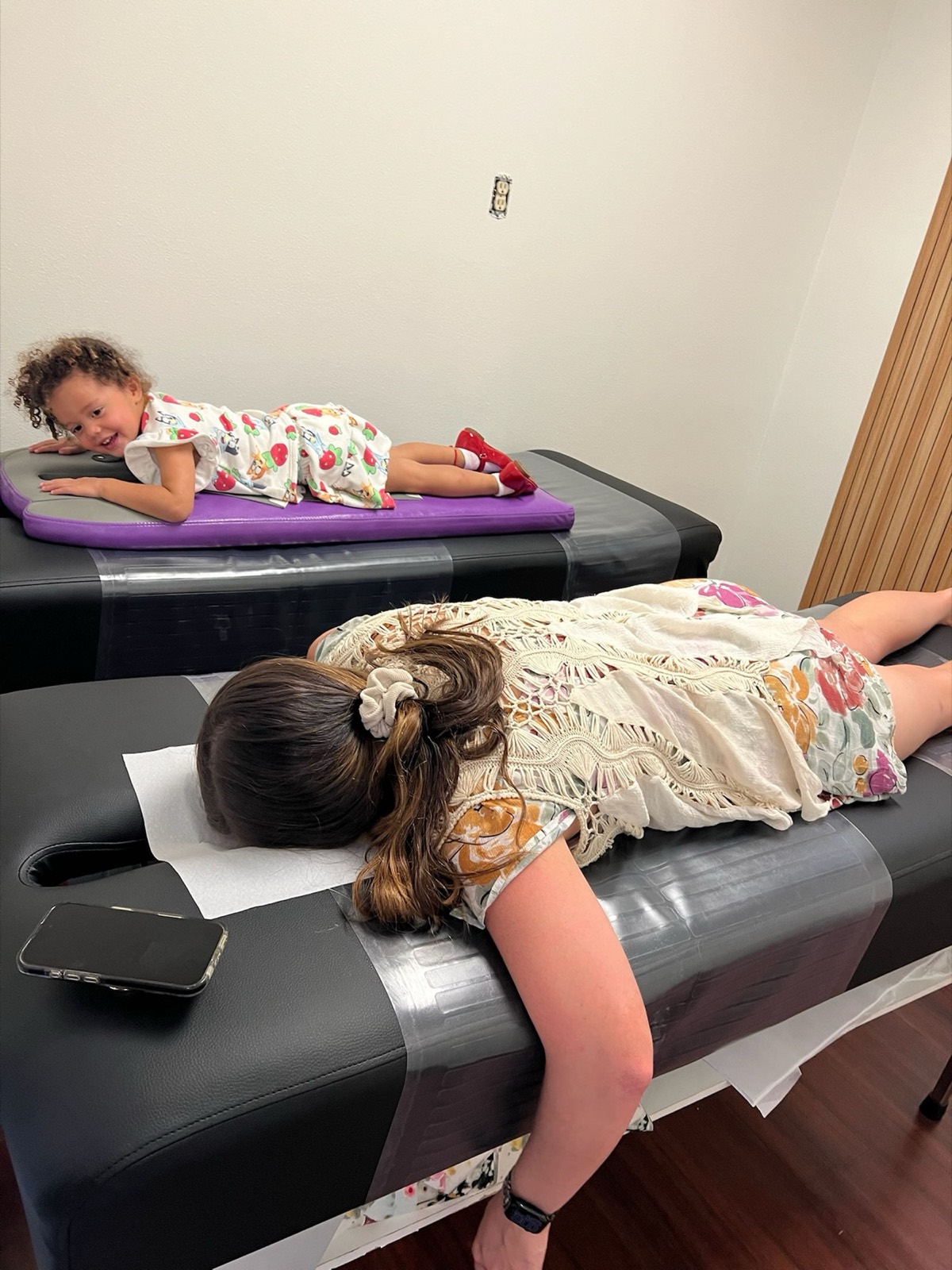
Families heal together.
Keep Exploring
Age-by-age care
Curious What the Scan Would Show?
Book a first visit and we'll walk you through your child's nervous system story together.